

Last updated: January 12, 2026

Fundamentally, electricity starts at power plants, where energy is produced and converted into electrical power.
In the United States, electricity is generated from a mix of sources, including:
- Natural gas
- Coal
- Nuclear energy
- Wind
- Solar
- Hydroelectric power
Different states rely on different energy sources depending on geography, infrastructure, and policy. For example, Texas produces large amounts of wind energy, while other states rely more heavily on nuclear or hydroelectric power.
Once electricity is generated, it must travel long distances to reach homes and businesses. That’s where the power grid comes in. When planning for a new setup, consider sameday electricity installation tips to ensure a smooth process. Adequate preparation can minimize delays and help avoid any unexpected issues. Additionally, having the right tools and knowledgeable technicians can make a significant difference in the efficiency of the installation.
How Electricity Travels: The Power Grid
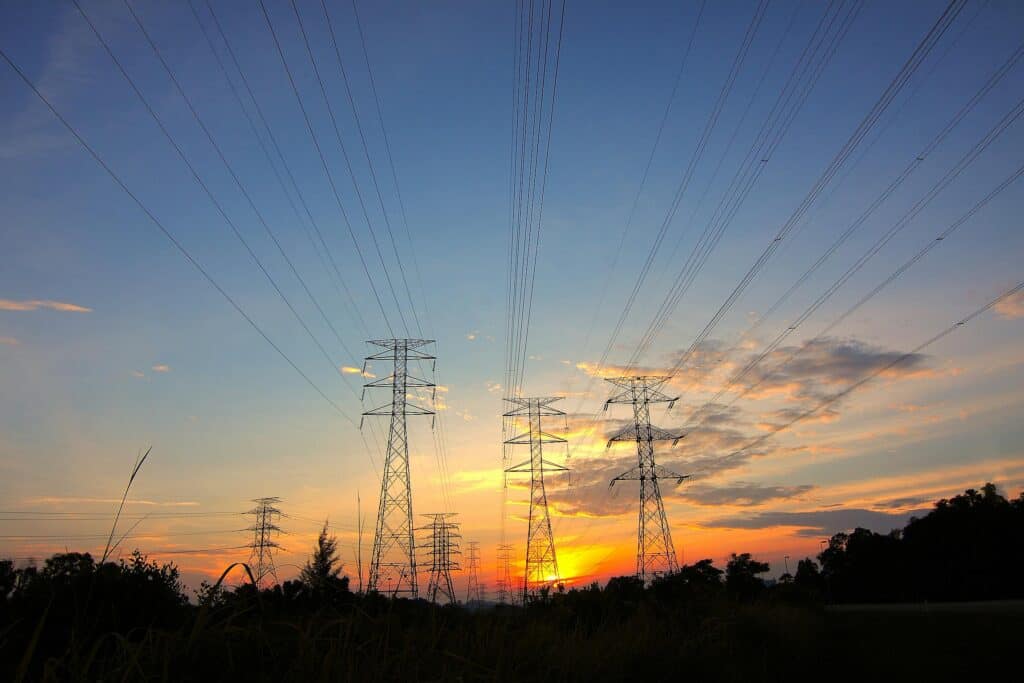
After electricity is generated, it enters the U.S. power grid, which is a massive network of power lines, substations, and transformers.
The grid has two main parts:
Transmission lines
High-voltage lines that carry electricity over long distances, often across states.
Distribution lines
Lower-voltage lines that deliver electricity directly to neighborhoods, homes, and businesses.
Substations and transformers reduce the voltage as electricity moves closer to where it’s used. This process makes electricity safe for everyday use while minimizing energy loss.
“The power grid is designed so electricity is generated far away, but arrives safely at your wall outlet.”
If a storm damages transmission or distribution lines, power outages can occur, even if power plants are still generating electricity.
Who Is Involved in Delivering Electricity?
One of the most confusing parts of electricity in the U.S. is that multiple companies may be involved, depending on where you live.
Electricity generators
These companies operate power plants and produce electricity.
Transmission operators
They manage the large-scale movement of electricity across the grid.
Local utilities (often called TDUs or utilities)
These companies own the poles and wires in your area and are responsible for:
- Power delivery
- Maintenance
- Outage repairs
Retail electricity providers (in some states)
In deregulated states, consumers can choose a company that sells electricity, while the local utility still delivers it.
“Even if you choose your electricity provider, the local utility still owns the wires and fixes outages.”
This structure is one reason electricity works differently depending on your state.
Why Electricity Works Differently by State
Electricity is regulated at the state level, which means rules vary across the country.
There are two main types of electricity markets in the United States:
- Regulated markets: A single utility provides electricity at state-approved rates.
- Deregulated markets: Consumers can choose from multiple electricity providers.
States like Texas, Pennsylvania, and Ohio have deregulated electricity markets, while many others remain fully regulated.
This difference affects:
- Whether you can choose your electricity provider
- How prices are set
- How your electric bill is structured
Understanding which system your state uses is key to understanding your options.
How Consumers Pay for Electricity
Your electric bill usually includes several components, not just the cost of electricity itself.
Energy charges
This is the cost of the electricity you use, measured in kilowatt-hours (kWh).
Delivery charges
Fees charged by the local utility for delivering electricity to your home.
Taxes and fees
State and local charges that vary by location.
“Even if you use the same amount of electricity, your bill can differ based on where you live and how electricity is regulated.”
This is why two households using similar amounts of electricity may see very different bills.
Want to calculate your bill? Use our free estimated bill tool below:
Electricity Bill Cost Estimator
Estimate your monthly electricity bill based on usage and rate.
Why Understanding Electricity Is So Important
Knowing how electricity works (from a fundamental perspective) can help you:
- Understand why prices change
- Avoid common plan mistakes in deregulated states
- Make informed decisions when moving or choosing a provider
- Better control your electricity costs
Electricity may feel simple on the surface, but the system behind it is anything but. A little understanding goes a long way.
Learn How Electricity Works in Your State
Electricity rules, pricing, and options vary widely by state.
To see how electricity works where you live, explore our state-by-state guides. In Texas, the deregulated market allows consumers to choose their electricity provider, leading to a variety of plans and competitive pricing. Understanding the factors that influence electricity rates in Texas can help residents make informed decisions about their energy consumption. With fluctuating demand and Texas’ unique energy landscape, staying informed is crucial for optimizing monthly bills.