

Last updated: March 24, 2026
Affiliate Disclosure: Exspenditure earns a commission if you purchase through links on this page. This comes at no extra cost to you. We are not employed by Bluetti. Editorial opinions are our own and based on verified manufacturer specifications.

At a Glance
The AC200L is the better choice for RV owners and solar enthusiasts who need the 30A RV outlet and faster solar charging (1,200W input). The Elite 200 V2 makes more sense for home backup scenarios where you might expand to massive capacity (up to 16.6kWh with six B300K batteries) and need higher surge power for starting large appliances.
Both deliver roughly 2,000Wh of capacity with similar continuous power output. Your decision comes down to specific features rather than overall performance.
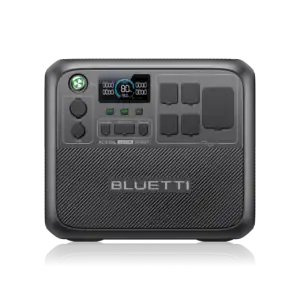

Specifications
Same capacity, totally different DNA. One’s built for RV owners and solar enthusiasts. The other prioritizes portability and longevity. Here’s how they stack up where it counts.
| Specification | AC200L | Elite 200 V2 |
|---|---|---|
| Capacity | 2,048Wh | 2,073.6Wh |
| Continuous Power | 2,400W | 2,600W |
| Surge Power | 4,800W | 4,800W |
| Power Lifting Mode | 3,600W | 3,900W |
| AC Charging (0–80%) | ~45 minutes | ~50 minutes (Turbo mode) |
| Max AC Input | 2,400W | 2,300W |
| Max Solar Input | 1,200W | 1,000W |
| Solar Voltage Range | 12–145V | 12–60V |
| Weight | 62.4 lbs (28.3kg) | 48.5 lbs (22kg) |
| 30A RV Outlet | Yes (TT-30) | No |
| Wireless Charging | No | Yes (2× 15W pads) |
You might also like: Best Bluetti power stations for van camping
Capacity: Virtually Identical
Both units deliver approximately 2,000Wh of usable capacity—a 25.6Wh difference that translates to roughly 2 extra minutes of runtime on a 1,000W load. In practical terms, they’re identical.
Real-world runtime estimates (both models, using manufacturer efficiency calculations):
- Refrigerator (150W average): 11-13 hours
- Laptop (65W): 25-30 full charge cycles
- CPAP machine (40W, no humidifier): 40+ hours (3-4 nights)
- Microwave (700W cooking power): 2.3 hours of cook time
- Space heater (1,500W): 1.1-1.3 hours
- LED TV (120W): 14-16 hours
The AC200L uses 95% depth of discharge and 93% inverter efficiency in its calculations. The Elite 200 V2 spec sheet lists 90% depth of discharge and 85% inverter efficiency, which would actually yield less runtime despite the higher capacity—though real-world performance appears comparable based on user reports.
Winner: Tie. The 1.2% capacity difference is meaningless in practice.
Charging Speed: AC200L Wins on Solar
Both units charge at similar speeds from wall outlets—45 minutes to reach 80% charge with maximum AC input. The difference lies in solar and dual-charging capabilities.
AC Wall Charging
- AC200L: 2,400W max input, 1.5 hours (0-100%)
- Elite 200 V2: 2,300W max input, ~50 min (0–80% Turbo), 1.6 hours (0–100%)
Solar Charging (Where It Matters)
- AC200L: 1,200W max, 2.5 hours (0-100%) in optimal conditions
- Elite 200 V2: 1,000W max, 2.4 hours (0-100%) in optimal conditions
Here’s what this actually means: If you’re running four 300W solar panels (1,200W array), the AC200L can use 100% of that power. The Elite 200 V2 will waste 200W because it can’t accept more than 1,000W.
Dual Charging (AC + Solar Simultaneously)
- AC200L: 2,400W combined maximum
- Elite 200 V2: Data not explicitly confirmed in specs; appears limited by individual input maximums
Important solar voltage note: The AC200L accepts 12-145V solar input. The Elite 200 V2 accepts only 12-60V. If you’re using high-voltage panels, the AC200L gives you more flexibility.
Winner: AC200L for solar users. The 200W difference matters if you’ve already invested in a larger solar array.
Power Output: Elite 200 V2 Has 200W More Continuous Power
Continuous output:
- AC200L: 2,400W total across all AC outlets
- Elite 200 V2: 2,600W total across all AC outlets
Surge capacity:
Both units: 4,800W
Power Lifting Mode (for resistive heating loads only):
- AC200L: 3,600W
- Elite 200 V2: 3,900W
What the 200W Difference Means
For most users: nothing. Both handle common appliances easily. The Elite 200 V2’s extra 200W only matters if you’re simultaneously running multiple high-draw devices that total between 2,400W and 2,600W—an uncommon scenario.
Both units will start:
- Refrigerators and freezers (800-1,200W startup surge)
- Window AC units up to 10,000 BTU (2,500-3,000W surge)
- Most power tools (saws, drills, grinders)
Where the Elite 200 V2 might have an edge: Starting central AC units or larger air compressors that need the full 4,800W surge capacity with less margin for error on the AC200L.
Winner: Elite 200 V2 by a slim margin, but only for users running sustained loads above 2,400W.
RV & Mobile Use: AC200L Is Purpose-Built
The AC200L includes a 30A RV outlet (NEMA TT-30), which the Elite 200 V2 completely lacks.
Why the RV Outlet Matters
Plug your RV’s shore power cable directly into the AC200L. This powers your RV’s entire electrical panel, distributing electricity to:
- All 120V outlets throughout the RV
- Hardwired appliances (microwave, TV, water heater)
- Roof-mounted air conditioner (if it draws under 2,400W)
- Lights, fans, water pump
Without this outlet (Elite 200 V2), you’d need to:
- Plug individual devices into standard outlets
- Run extension cords throughout the RV
- Bypass your RV’s circuit breakers and power distribution
Weight Comparison
- AC200L: 62.4 lbs (28.3kg)
- Elite 200 V2: 48.5 lbs (22kg)
The Elite 200 V2 is 13.9 pounds lighter—about 22% less weight. If you’re frequently moving the unit in and out of a vehicle or carrying it up stairs, this difference is noticeable.
Winner: AC200L for RV owners (the TT-30 outlet is non-negotiable). Elite 200 V2 for portability in non-RV scenarios.
Expandability: Different Philosophies
Both systems accept expansion batteries, but with dramatically different maximum capacities.
AC200L Expansion Options
Compatible batteries:
- B210: 2,150Wh (discontinued, limited availability)
- B230: 2,048Wh
- B300: 3,072Wh
- B300K: 2,764.8Wh
- B500K: 5,120Wh (new option)
Check Bluetti’s current product pages for confirmed expansion battery compatibility and maximum capacity configurations, as these change with product revisions.
Elite 200 V2 Expansion Options
Compatible batteries:
- B300K: 2,764.8Wh — verify current compatibility with Bluetti directly before purchasing, as expansion compatibility varies by unit revision
Expansion Strategy Comparison
The AC200L follows Bluetti’s traditional expansion model: up to 2 batteries, maxing out around 8kWh. This is sufficient for:
- Extended weekend RV trips (3-4 days off-grid)
- Home backup for essential circuits (2-3 days)
- Off-grid cabins with modest power needs
The Elite 200 V2 uses Bluetti’s newer modular approach. Check Bluetti’s current product page for confirmed expansion battery options, as compatible batteries and maximum configurations are updated periodically.
Cost comparison at maximum expansion:
- AC200L + 2x B300: ~$5,200 total (using typical B300 pricing of ~$1,800 each)
- Elite 200 V2 + 6x B300K: ~$10,700 total (using typical B300K pricing of ~$1,500 each)
Winner: Elite 200 V2 for users who need massive capacity. AC200L for users who need 6-8kWh and want to minimize cost.
Battery Chemistry & Longevity
This is a significant difference that doesn’t show up in basic specs:
- AC200L: 3,000+ cycles to 80% capacity (LiFePO4)
- Elite 200 V2: 6,000+ cycles to 80% capacity (automotive-grade LiFePO4)
What This Means Long-Term
At one full cycle per day:
- AC200L: 8+ years before degrading to 80% capacity
- Elite 200 V2: 16+ years before degrading to 80% capacity
The Elite 200 V2 and AC200L use different expansion ecosystems. Always verify current expansion battery compatibility on Bluetti’s official product pages before purchasing, as compatible models and configurations are updated periodically.
For most users, 3,000 cycles is already excellent and will outlast typical usage patterns. The Elite 200 V2’s doubled cycle life is insurance against degradation but unlikely to change how long you actually keep the unit.
Winner: Elite 200 V2 on paper, but AC200L’s 3,000 cycles are already excellent for most users.
Smart Features & App Control
Both units connect via Bluetooth and WiFi to Bluetti’s smartphone app. The Elite 200 V2 has a few additional features:
Elite 200 V2 exclusive:
- Wireless charging pads: Two 15W Qi-compatible charging spots on top of the unit
- Faster UPS switchover: 10ms vs 20ms (Elite 200 V2 vs AC200L)
- Four UPS modes: Standard, Time Control, PV Priority, Custom (AC200L has standard UPS only)
AC200L advantages:
- More mature firmware (launched earlier, more bug fixes)
- Longer track record in the field
UPS Switchover Speed
Both units function as uninterruptible power supplies (UPS) during outages:
- AC200L: 20ms switchover (fast enough for most devices)
- Elite 200 V2: 10ms switchover (better for sensitive equipment)
For reference: Desktop computers and most electronics can handle 20-30ms switchover without issues. Medical equipment and network servers benefit from faster switching.
Winner: Elite 200 V2 for newest tech. AC200L for proven stability.
Use Case Recommendations
Choose the AC200L if:
- You own an RV or van — The 30A TT-30 outlet is the deciding factor. There’s no good workaround.
- You have solar panels over 1,000W — Maximize your existing solar investment with 1,200W input.
- You prefer proven technology — The AC200L has been on the market longer with more user reviews and known quirks.
- You want WiFi + Bluetooth app control — Both have this, but the AC200L’s app has had more updates.
Typical AC200L buyer: Weekend RV warrior, off-grid cabin owner, solar enthusiast with existing panel array.
Choose the Elite 200 V2 if:
- You need whole-home backup — The ability to expand to 16.6kWh makes multi-day outages manageable.
- Portability matters — At 48.5 lbs vs 62.4 lbs, it’s noticeably easier to move.
- You want the longest lifespan — 6,000 cycles vs 3,000 cycles means potential for 16+ years of use.
- You want wireless phone charging — Convenience feature for keeping devices topped off.
Typical Elite 200 V2 buyer: Homeowner preparing for outages, apartment dweller needing backup power, someone building from scratch without RV-specific needs.
What Both Models Do Well
These units share core strengths:
- LiFePO4 battery chemistry (safer than standard lithium-ion, longer lifespan)
- 5-year warranty (industry-leading for portable power stations)
- Pass-through charging (charge the unit while powering devices)
- Multiple recharging methods (AC, solar, car, dual charging)
- Quiet operation (fan only runs under heavy load, typically under 50dB)
- App control via Bluetooth and WiFi
What Both Models Don’t Do Well
Shared limitations:
- Proprietary charging cables — If you lose the included cables, replacements must come from Bluetti
- No IP rating — Neither unit is weatherproof; must be protected from rain
- Heavy — Both require careful lifting; the “lighter” Elite 200 V2 is still 48.5 lbs
- Solar panels sold separately — Budget an additional $400-1,000 for panels if going solar
- Limited solar voltage range — The Elite 200 V2’s 12-60V maximum is restrictive for some panel configurations
Frequently Asked Questions
Can I use the same expansion batteries on both models?
No. The AC200L works with B210/B230/B300/B300K/B500K batteries. The Elite 200 V2 works with B205/B300K batteries. The B300K is the only cross-compatible option, but connection protocols differ between the units.
Which one charges faster from solar panels?
The AC200L charges slightly faster (2.5 hours vs 2.4 hours) with maximum solar input, but this requires 1,200W of panels. With the same 1,000W solar array, they charge at the same speed—but the AC200L could accept more panels if you upgraded later.
Will either one power a full-size refrigerator during an outage?
Yes, both easily handle refrigerators. A standard refrigerator draws 150-200W when running, well within both units’ capabilities. The compressor startup surge (typically 800-1,200W) is also no problem for either unit’s 4,800W surge capacity. Expect 11-13 hours of runtime from the base 2kWh capacity.
Can I run an air conditioner?
Depends on the AC unit:
Window AC (5,000-10,000 BTU):
Both units handle these. Running wattage: 500-1,500W. Startup surge: 1,500-3,000W. Both well within spec.
Portable AC (10,000-14,000 BTU):
Both can run these, but watch startup surge (2,500-4,500W). The 4,800W surge capacity provides adequate margin.
RV rooftop AC (13,500-15,000 BTU):
Most draw 1,400-2,000W running. Both units can power them, but only the AC200L can do it through the RV’s electrical panel via the TT-30 outlet.
Which one lasts longer before the battery degrades?
The Elite 200 V2 rates for 6,000+ cycles vs 3,000+ for the AC200L. At one full discharge per day, that’s 16+ years vs 8+ years to reach 80% capacity. Both have 5-year warranties. In practice, most users don’t cycle these units daily, so both will likely outlast typical ownership periods.
Are these safe to use indoors?
Yes, both are safe for indoor use—they produce no emissions like gas generators. They include battery management systems (BMS) to prevent overcharging and overheating. Keep them on hard surfaces (not carpet) for proper ventilation and avoid charging in very hot environments (above 104°F/40°C).
Final Verdict
If you own an RV or need maximum solar input, the AC200L is worth the extra money for the 30A outlet and 1,200W solar capacity. If you’re building a home backup from scratch or want the longest lifespan, the Elite 200 V2 delivers more value at a lower price with expandability and double the cycle life.
Both are excellent units. Your decision should be based on specific features that match your use case rather than trying to pick a “better” option—they’re optimized for different scenarios.
Disclaimer: This comparison is based on manufacturer specifications from Bluetti’s official product pages (accessed March 2026). Actual performance may vary based on load type, temperature, and usage patterns. Prices subject to change. Exspenditure.com may earn commission from qualifying purchases through affiliate links at no additional cost to you.