You’re ready to go solar. The quotes are in, the numbers look good, and you’re excited about the prospect of cutting your electricity bill. But there’s one glaring question: what about your roof?
If you’re wondering whether to replace your roof before installing solar panels, you’re addressing the elephant in the room before it becomes an issue.
Why Does Your Roof Age Matter for Solar Installation?
Solar panels typically last 25 to 30 years with minimal maintenance. That’s decades of reliable electricity production—but only if your roof can go the distance with them.
Here’s the problem: asphalt shingle roofs, the most common roofing material in the United States, typically last 20 to 30 years. If you install a brand-new solar system on a 15-year-old roof, you’re setting yourself up for an expensive situation in about 5-10 years, when that roof needs replacement.
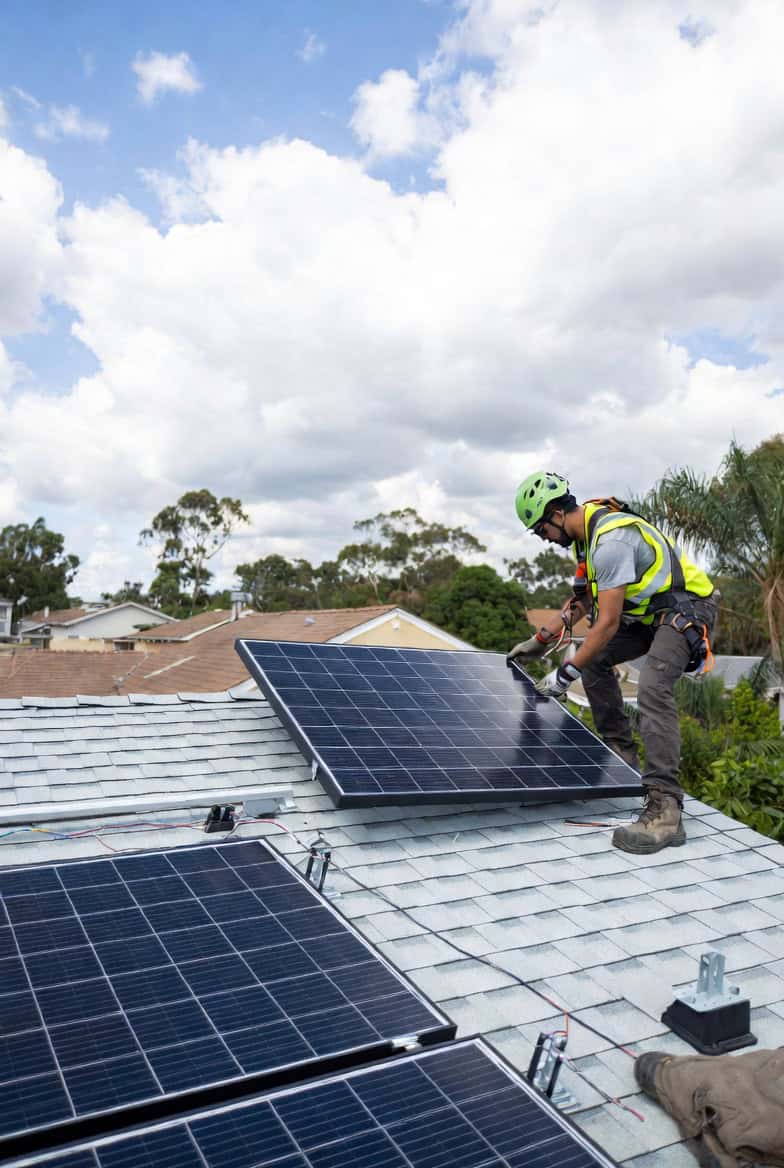
The cost to remove and reinstall solar panels runs between $2,800 and $6,000 for a typical residential system. That’s $200 to $300 per panel, and most homes have 15-20 panels. You’ll pay this on top of your roof replacement costs, and your system will be offline during the work—meaning no solar savings for days or even weeks.
The Roof Age Decision Chart
| Roof Age | Remaining Life | Decision | Why |
|---|---|---|---|
| 0-5 years | 25+ years | ✅Install solar now | Your roof will last the entire solar panel lifespan |
| 5-10 years | 15-20 years | ⚠️Get inspection first | Depends on roof condition and solar payback period |
| 10-15 years | 10-15 years | ⚠️Strongly consider replacing | You’ll likely need new roof mid-solar lifespan |
| 15-20 years | 5-10 years | ❌Replace roof first | Almost certain you’ll pay for removal/reinstall |
| 20+ years | 0-5 years | ❌Replace roof first | Your roof is already near end of life |
Generally speaking, the sweet spot for solar installation is within the first five years of a new roof. Your roof should have at least 20 years of life remaining to match the usable lifespan of your solar panels.
When to Replace Your Roof Before Going Solar
Replace your roof first if you’re in any of these situations:
Your roof is already old. If your asphalt shingles are more than 15 years old, roof replacement before solar panels installation makes financial sense. You’ll avoid paying twice—once for the roof now, and again for panel removal and reinstallation later.
You see visible damage. Missing shingles, curling edges, granules in your gutters, or water stains in your attic all signal a roof nearing the end of its life. Installing solar panels on a damaged roof compounds the problem and often voids what’s left of your roofing warranty.
Your solar payback period exceeds your roof’s remaining life. If your solar system has a 12-year payback period but your roof only has 8 years left, you’ll need a new roof before you’ve even broken even on your solar investment.
You want to avoid future disruption. Taking solar panels down and putting them back up is a multi-day project. If you value continuity and hate the idea of disrupting your energy production mid-lifespan, align your roof and solar timelines now.
The Financial Implications of Waiting
Let’s break down the numbers. Say you install a $25,000 solar system on a roof that needs replacement in 7 years:
Scenario B saves you nearly $5,000 by tackling both projects strategically. And many solar installers can help coordinate with roofing contractors to streamline the process.
The 5-10 Year ‘Gray Zone’
If your roof is between 5 and 10 years old, you’re in the aptly-named ‘gray zone’ (a term I coined off the top of my head). The right choice depends on three factors:
1. Your roof’s actual condition. Age alone doesn’t tell the whole story. A well-maintained 8-year-old roof in a mild climate might have 17 years of life left. A poorly ventilated 7-year-old roof in a harsh climate might need replacement in 8 years. Get a professional roof inspection before making your decision.
2. Your solar system’s payback period. If you’ll recoup your solar investment in 8 years and your roof has 12 years of life remaining, you’re probably fine. But if payback takes 11 years and your roof has 10 years left, replacement makes more sense.
3. Your local climate and roof material. Metal roofs in Texas can last 40-70 years. Asphalt shingles in Florida’s intense sun and humidity might only make it to 15 years. Clay tile in Arizona could last a century. Your location should play a role in your decision.
Combining Roof Replacement with Solar Installation
Here’s where things get interesting: many homeowners actually save money by doing both projects together, even if their roof doesn’t technically need replacement yet.
Bundled project benefits:
- Single contractor coordination saves time
- Combined permits reduce paperwork hassles
- One financing package for both projects
- Installers often offer package discounts
Some solar companies have in-house roofing teams or partnerships with roofing contractors. This one-stop approach eliminates the coordination headache and ensures both teams understand how the projects interact.
What About Different Roofing Materials?
Not all roofs age the same way. Here’s how solar installation timing changes based on your roofing material:
Asphalt shingles (20-30 year lifespan): The standard recommendation applies—don’t install solar if your roof has less than 10-15 years remaining.
Metal roofing (40-70 year lifespan): This is the ideal material for solar. Standing seam metal roofs allow clamp-on solar mounting without roof penetrations. If you’re replacing your roof anyway, metal is worth considering.
Clay or concrete tile (50-100 year lifespan): These roofs outlast solar panels by decades. The challenge is installation cost—tiles are fragile, and solar mounting requires specialized techniques. But if you have a newer tile roof, it’s likely fine for solar.
Wood shakes: Many jurisdictions restrict solar installation on wood shakes due to fire risk. Check local codes first.
Questions to Ask During Your Roof Inspection
Before you make the final call on roof replacement, get a professional inspection. Here’s what to ask:
- “How many years of usable life does my roof have left?”
- “Are there any signs of leaks, poor ventilation, or structural issues?”
- “Will the added weight of solar panels require any structural reinforcement?”
- “If I install solar now, what’s the probability I’ll need roof work before year 15?”
- “Do you see any damage that would void my roof warranty if solar panels are installed?”
A reputable inspector will give you honest answers. If they say your roof has 8 years left and you’re planning a solar system with a 10-year payback period, that’s your red flag.
When It’s Okay to Install Solar on an Older Roof
There are a few scenarios where installing solar panels on an older roof makes sense:
Ground-mounted solar systems. If roof replacement is expensive but you have yard space, ground-mounted solar sidesteps the whole issue. The panels go on their own racking system separate from your house.
Partial roof coverage. If solar panels will only cover the newest section of a multi-plane roof, you might proceed while planning to replace the older sections separately later.
You’re selling soon. If you’re planning to sell your home in the next few years and solar will boost your home value and sale price, the next owner can deal with the roof replacement.
Your roof is metal or tile. These long-lasting materials often have decades of life remaining even when they look old. An inspection will confirm.
What Happens If You Skip the Roof Replacement
Some companies will install solar on questionable roofs if you insist. But here’s what you’re signing up for:
- Your roof warranty may be voided for the areas under solar panels
- The solar installer’s roof workmanship warranty (typically 10 years) becomes your only protection
- When the inevitable happens, you’ll pay $2,800-$6,000 for panel removal and reinstallation
- Your solar system will be offline during roof work—no electricity generation, no savings
- Some installers won’t even provide a warranty if they think your roof is too old
Making Your Decision
Here’s a general timeline that you can follow:
If your roof is 0-5 years old: Install solar panels now. Your roof has the lifespan to support the full solar warranty period.
If your roof is 5-10 years old: Get a professional inspection. Calculate whether roof life remaining exceeds your solar payback period by at least 5 years. If yes, proceed. If no, replace the roof first.
If your roof is 10-15 years old: Strongly lean toward roof replacement unless inspection shows exceptional condition. Run the numbers on combined replacement and installation.
If your roof is 15+ years old: Replace your roof first. The math just doesn’t work otherwise.
Lastly, Think Long-Term
Solar panels are a 25-30 year investment. Your roof needs to be a 25-30 year solution too.
The $4,000-$5,000 you might save by replacing your roof before solar panels installation isn’t just about money. It’s about peace of mind. It’s about not having to shut down your solar system mid-life for a multi-day roof replacement project. It’s about maximizing every year of electricity production from day one.
If your roof is aging, don’t let eagerness to go solar push you into a short-term decision you’ll regret in five years. Take the time to assess your roof’s condition, run the numbers, and make the choice that sets you up for decades of worry-free solar energy production.
Your future self—the one enjoying $200+ monthly electric bill savings with no maintenance headaches—will thank you for thinking this through today.