When the power goes out, many homeowners assume their gas appliances will keep working. After all, natural gas flows independently of your electrical service, so a gas stove, furnace, or water heater should run just fine, right?
Yes and no. Most modern gas appliances need electricity to function safely, even though they burn gas for fuel. Understanding which appliances will work—and which won’t—can make a significant difference during an extended outage.
Key Points
What typically works:
- Gas stove cooktops (if your model allows manual ignition)
- Older tank water heaters with standing pilot lights
- Some gas fireplaces with manual controls
- Outdoor gas grills
What doesn’t work:
- Gas ovens
- Gas furnaces and central heating
- Modern gas water heaters with electronic ignition
- Tankless water heaters
- Gas dryers
The driving factor is that modern gas appliances rely on electronic ignition, safety sensors, control boards, and electric motors. All of these require electricity.
Why Gas Appliances Need Electricity
Natural gas continues flowing to your home during power outages because gas pipelines operate independently of the electrical grid. But individual appliances need electricity for several critical functions.
Electronic ignition replaced the continuously burning pilot lights found in older appliances. Most modern systems use an electric spark to ignite the gas. Without power, there’s no spark.
Safety systems use electronic sensors to detect problems like flame failure, gas leaks, or dangerous carbon monoxide levels. These safety systems prevent gas flow when electricity is unavailable—and that’s intentional. Running a gas appliance without proper monitoring could lead to carbon monoxide buildup or fire.
Control boards manage everything from temperature regulation to cycle timing. Digital thermostats, timers, and control panels all require electricity to function.
Motors and fans do the mechanical work. Furnaces need blower motors to circulate heated air through ducts. Dryers need motors to tumble clothes. Some water heaters need circulation pumps.
This change happened gradually. Older gas appliances from before the 1990s were largely mechanical. They used standing pilot lights that burned continuously and mechanical thermostats that needed no electricity. Modern appliances switched to electronic systems for energy efficiency, improved safety, and better temperature control. The trade-off is power dependency.
Gas Stove Cooktops

The verdict: Usually yes, but check your model first.
Gas stove cooktops typically use electronic ignition systems that create a spark when you turn the knob. While the igniter needs electricity, many stoves allow manual ignition with a match or lighter when the power is out.
How to Manually Light Your Stove
Before attempting this, check your owner’s manual. Some models have safety features that prevent manual lighting.
If your stove allows it:
- Open a window for ventilation
- Hold a lit match or long lighter near the burner
- Slowly turn the control knob to the ignite position
- Once the burner lights, adjust the flame as needed
Keep your face away from the burner while lighting it. Your exhaust fan won’t work without electricity, so proper ventilation becomes critical. Never let the gas flow for more than a few seconds before ignition. If you smell gas without seeing a flame, turn off the knob immediately.
Important Limitations
Gas ovens do not work during power outages, even if the cooktop does. Unlike burners, ovens require electronic ignition and temperature control systems that cannot be bypassed.
Never attempt to manually light a gas oven. It’s dangerous and won’t work properly.
The control panel, timers, and oven lights also won’t function. You’re limited to using the cooktop burners only.
Gas Furnaces
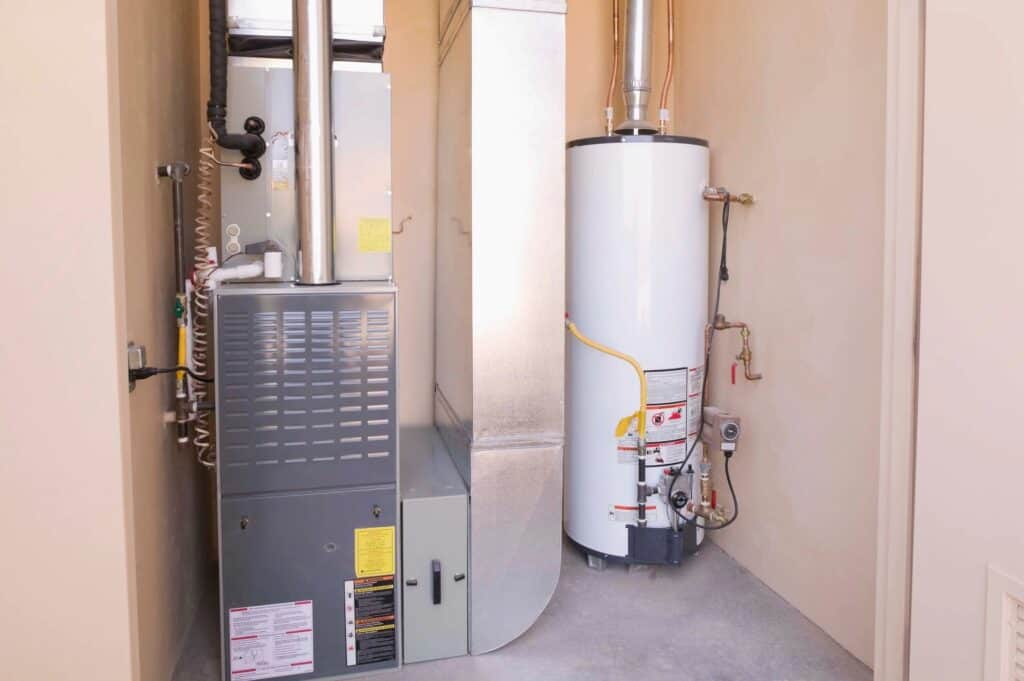
The verdict: No, gas furnaces require electricity.
Even though the heat comes from burning natural gas, gas furnaces need electricity for multiple critical components.
The blower motor circulates warm air through your ducts. Without it, heat stays trapped in the furnace. The electronic ignition system starts the flame safely. The control board communicates with your thermostat and manages the heating cycle. Safety sensors monitor flame quality, detect problems, and prevent dangerous conditions.
Furnaces have built-in safety lockouts that prevent operation during power outages. This protects against carbon monoxide buildup (the blower isn’t working to circulate air), overheating (limit switches aren’t functioning), and gas accumulation (improper ignition could allow gas to build up).
Running a furnace without proper airflow and monitoring creates serious safety hazards. The system is designed to shut down completely when electricity is unavailable.
Gas Fireplaces
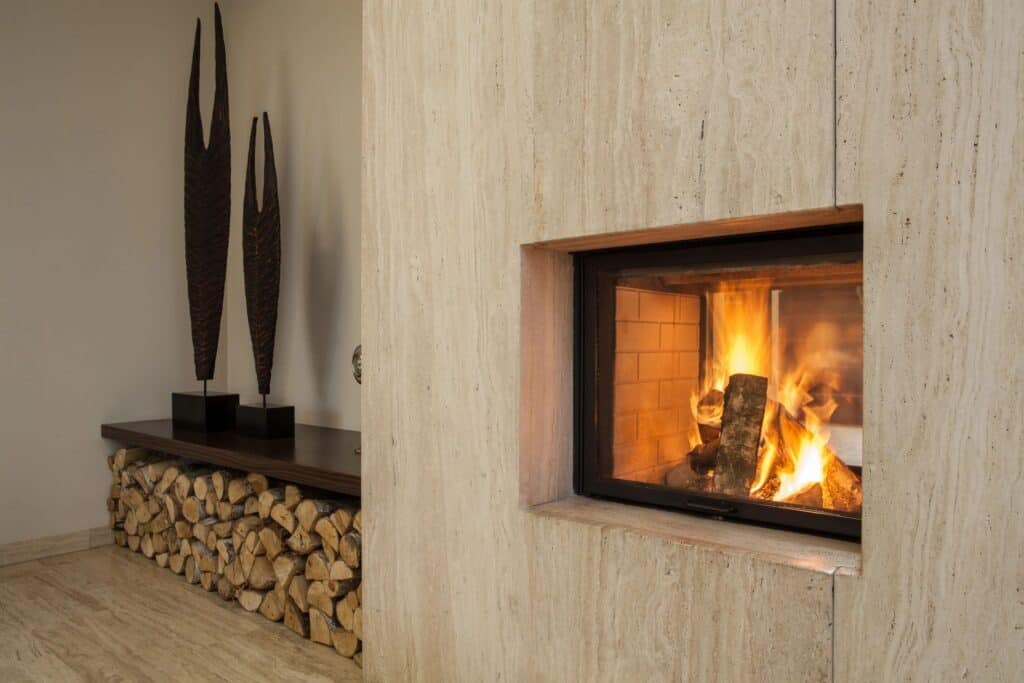
The verdict: It depends on the model.
Older gas fireplaces, typically those manufactured before 2000, often have standing pilot lights and manual gas valves. These can work without electricity. The pilot light stays lit continuously, and you control gas flow with a manual valve—usually behind a panel or under the unit.
Modern gas fireplaces use electronic ignition systems activated by wall switches or remote controls. These require electricity to ignite and operate. Some newer models offer battery backup options that use standard AA or 9V batteries to power the ignition during outages.
Even fireplaces that work without electricity have limitations. They provide localized heat, not whole-home heating. Models with electric blower fans still work but distribute heat less effectively. You’ll need to maintain ventilation even if the blower isn’t running, as all gas combustion produces carbon monoxide.
Gas Water Heaters
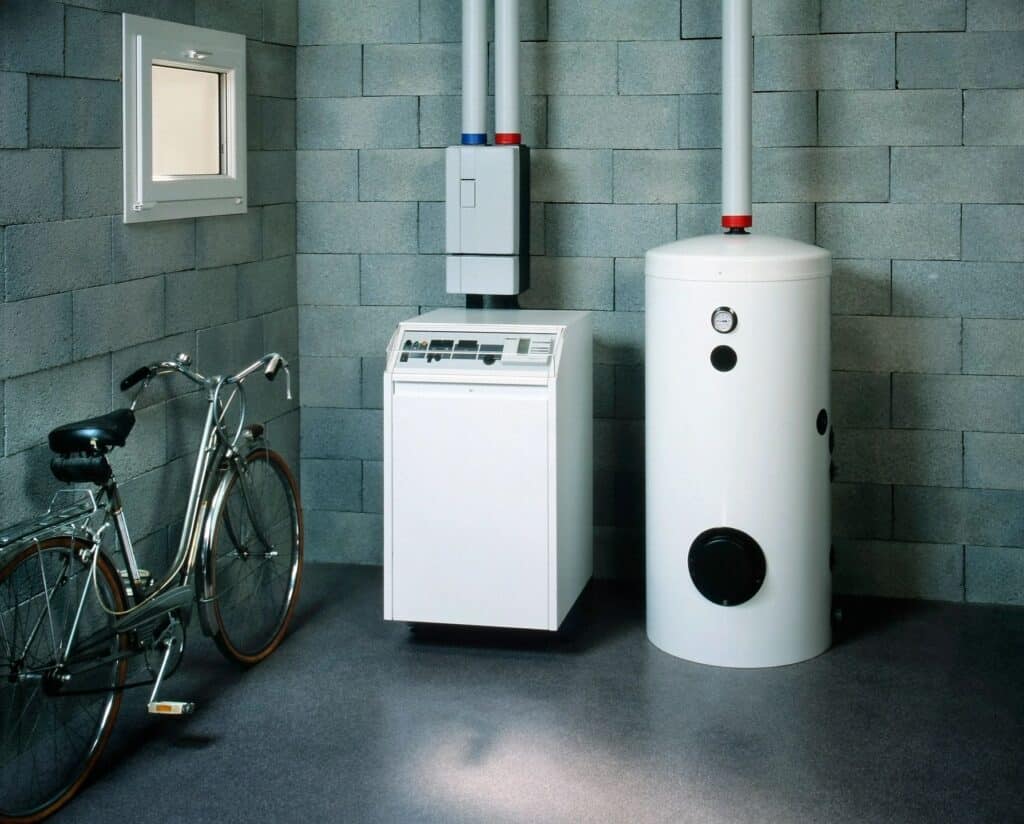
The verdict: It depends on the age and type.
Older Tank Water Heaters
These may work if they have three specific features: a standing pilot light (a small flame visible at the bottom of the tank), a mechanical thermostat (a physical dial with no digital display), and natural draft venting (no electric fan).
Older models are completely mechanical. You’ll have hot water as long as the pilot light stays lit. The tank holds 40-50 gallons, and the unit continues heating water during the outage.
To determine if yours will work, look at the bottom of your water heater. If you see a small flame through a viewing window, you have a standing pilot. If there’s no visible flame and you see a digital display, it won’t work without power.
Modern Tank Water Heaters
Most water heaters manufactured after 2010 use electronic ignition—the pilot light isn’t continuously burning. They have digital thermostats or control boards that manage all functions. Many use power venting with an electric fan.
These changes came from energy efficiency requirements. Standing pilots waste energy by burning gas continuously. Electronic ignition is more efficient but requires electricity.
Tankless Gas Water Heaters
Tankless systems never work during power outages. They require electric sensors to monitor water temperature, digital control boards to regulate heating, circulation pumps to move water through the unit, and safety systems to prevent overheating.
Some tankless units offer battery backup accessories, but these typically provide only 20-40 minutes of operation. That’s enough for emergency showers but not practical for extended outages.
Gas Dryers
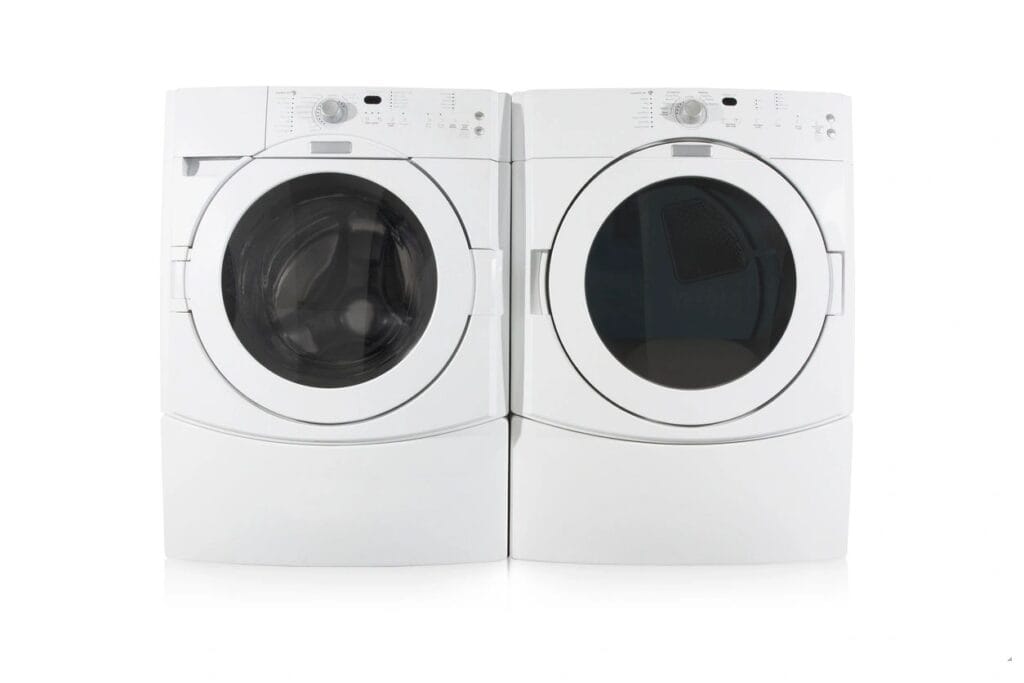
The verdict: No, never.
Gas dryers use natural gas to create heat, but they need electricity to power the tumbling drum motor, run the exhaust fan for airflow, and operate the control panel and timer.
Without the drum spinning and air circulating, clothes won’t dry even if gas produces heat. The safety system prevents gas flow when electricity is unavailable.
Staying Warm Without Electricity
If your gas heating system won’t work during a power outage, safer alternatives exist.
Safe Indoor Heating Options
Portable propane or kerosene heaters designed specifically for indoor use can provide emergency heat. Look for models with oxygen depletion sensors and automatic shut-off features. Always maintain proper ventilation even with indoor-rated equipment.
Wood-burning fireplaces work completely independently of electricity and gas. Ensure your chimney is clean and functional before winter.
What Never to Use Indoors
Never use gas grills, camping stoves, or portable generators inside your home or garage. These produce deadly carbon monoxide levels in enclosed spaces. The CDC reports that carbon monoxide kills without warning and claims hundreds of lives annually.
Never use charcoal grills indoors. They produce toxic fumes even in supposedly “ventilated” spaces like garages with open doors.
Never use outdoor-only heaters inside. Industrial “torpedo” heaters and construction heaters are designed for open-air use only.
Passive Warming Strategies
Layer multiple thin clothing items rather than one thick layer. Thin layers trap heat more effectively. Use sleeping bags rated for cold temperatures. Gather family members in one room to share body heat. Insulate windows with blankets or plastic sheeting. Place towels along door bottoms to prevent drafts.
Generator Solutions
A generator can power the electrical components of gas appliances, and this is often more practical than trying to run fully electric heating systems.
Gas furnaces typically need 600-1,500 watts. This is far less than electric heating systems that require 5,000-15,000 watts. Modern gas water heaters need 100-500 watts for electronic controls and ignition, compared to 4,500 watts for electric water heaters.
Generator Sizing
A small generator (2,000-3,000 watts) can run a gas furnace, water heater, lights, and refrigerator on an alternating schedule. A medium generator (4,000-6,000 watts) handles multiple gas appliances simultaneously plus a well pump. A large generator (7,000 watts or more) powers most home needs including gas appliances.
Critical Generator Safety
Always run generators outdoors in well-ventilated areas, away from all doors, windows, and vents. The CDC and FEMA emphasize that you should never use a generator indoors or in partially enclosed spaces—including homes, garages, and crawl spaces—even with ventilation. Using fans will not prevent carbon monoxide buildup.
More than 150 people die every year from accidental non-fire carbon monoxide poisoning. Generators produce CO just like car exhausts. Position them away from your home and use carbon monoxide detectors indoors with battery backup.
Never plug a generator directly into a wall outlet. This creates a dangerous backfeed that can electrocute utility workers trying to restore power and damage your home’s wiring. Use heavy-duty, outdoor-rated extension cords instead. Consider professional transfer switch installation for permanent generator connections.
Power Outage Preparation
Before an Outage
Know your appliances. Locate owner’s manuals and download PDFs to your phone. Test which gas appliances have standing pilots. Identify models that allow manual ignition. Note which systems absolutely require electricity.
Stock emergency supplies including long-reach lighters or waterproof matches, battery-powered or hand-crank radios, flashlights (avoid using during gas leaks as sparks could ignite gas), carbon monoxide detectors with battery backup, extra batteries for all devices, and phone power banks kept charged.
Consider backup power options like a portable generator sized for your needs, battery backup (UPS) for gas furnaces providing 4-8 hours of runtime, or home battery systems if extended outages are common in your area.
Carbon Monoxide Safety
Install CO detectors on every level of your home and near sleeping areas. Use battery-powered or battery-backup models. Test monthly when changing clocks in spring and fall. Replace every 5-7 years per manufacturer instructions.
Know the symptoms of carbon monoxide poisoning: headache, dizziness, weakness, upset stomach, vomiting, chest pain, and confusion. Symptoms are often described as “flu-like.” If you breathe in a lot of CO, it can make you pass out or kill you.
If you suspect carbon monoxide poisoning, evacuate immediately and call 911 from outside your home.
Natural Gas Safety
Know what gas smells like—it has an added odor similar to rotten eggs or sulfur. Learn where your gas shut-off valve is located before an emergency. Keep your gas company’s emergency number saved in your phone. Never attempt gas line repairs yourself.
If you smell gas, evacuate immediately. Don’t flip light switches, as the spark could ignite accumulated gas. Don’t attempt to locate the leak. Call the gas company from outside your home. Don’t return until professionals clear the area.
Common Misconceptions Debunked
“All gas appliances work during outages”
Reality: Only a few older models with standing pilots and mechanical controls work. Most modern gas appliances need electricity for ignition, controls, motors, and safety systems.
“Gas appliances are always better than electric during outages”
Reality: Neither works well without power. Gas furnaces need electricity for blowers and controls just like electric furnaces need power for heating elements. Gas stove cooktops have a slight advantage since some can be lit manually, but ovens don’t work at all.
“I can heat my house with the oven”
Reality: This is extremely dangerous. The CDC explicitly warns against using gas ovens or stoves for heating. These appliances produce dangerous levels of carbon monoxide in unventilated living spaces. Using cooking appliances for space heating kills people every year from carbon monoxide poisoning.
“Newer appliances are always better”
Reality: For power outage resilience, older gas appliances with standing pilots and mechanical controls actually work better than modern electronic models. Progress in efficiency and safety came at the cost of electrical independence.
What Not to Do
The most dangerous mistake during power outages is attempting to use gas cooking appliances for heating. Never run a gas oven or leave burners on for warmth. Carbon monoxide from these appliances can reach lethal levels quickly in enclosed spaces. Carbon monoxide is odorless and colorless. You won’t know it’s there until symptoms begin, and by then it may be too late.
Never attempt to light a gas oven manually. Unlike stovetop burners, ovens aren’t designed for manual ignition. Gas can accumulate before ignition, creating explosion risk. Even if ignited, the oven will produce excessive carbon monoxide without proper ventilation systems operating.
Never bypass safety systems on furnaces or other gas appliances. These lockouts exist for specific reasons: preventing carbon monoxide buildup when blowers aren’t circulating air, avoiding fire hazards when limit switches aren’t functioning, and stopping gas leaks when safety valves aren’t operating properly.
If you smell gas anywhere in your home, evacuate immediately. Don’t flip light switches. Don’t look for the leak. Don’t try to ventilate by opening windows. Call your gas company from outside and don’t return until professionals say it’s safe.
Final Thoughts
Most gas appliances need electricity to work safely. While natural gas continues flowing during power outages, modern appliances require electricity for ignition, safety systems, controls, and motors.
Plan for outages by understanding which of your specific appliances will function. Keep alternative heating options rated for indoor use on hand. Consider battery backup or a generator for gas furnaces. Stock emergency supplies.
Never attempt to use gas cooking appliances for heating. Never bypass safety systems. Never use outdoor equipment indoors. These rules exist because people die when they ignore them.
The fuel source matters less than you might think. Both gas and electric homes face challenges during extended outages. The key is preparation—knowing what will and won’t work before the power goes out.